


Thai cuisine is celebrated for its vibrant flavors and colors, with curry being a quintessential element of this rich culinary tradition. Red and green curries are both beloved variations, each offering a unique experience for your palate.
While they share some common ingredients such as coconut milk and a blend of Thai spices, the two curries differ significantly in flavor profiles.
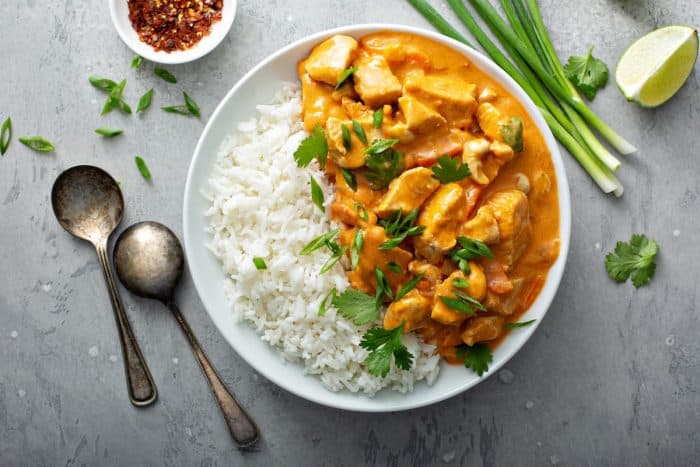
Understanding the characteristics of red vs. green curry can enhance your appreciation and help you make an informed choice based on your taste preferences.
Read on to discover their similarities and differences!
Key Takeaways
- Red curry is known for its bold taste and heat, derived from the use of multiple red chilies.
- Green curry offers a fresher, herb-based flavor, with a color attributed to fresh green chilies.
- While both curries include coconut milk and traditional Thai spices, they have distinct differences in flavor and aroma.
Similarities and Differences Between Red Curry and Green Curry
Here’s a table that summarizes the key similarities and differences between these deliciously fiery Thai curries:
| Characteristics | Red Curry | Green Curry |
|---|---|---|
| Base Ingredient | Dried red chilies | Fresh green chilies |
| Color | Reddish hue | Greenish hue |
| Flavor Profile | Bold, hearty, and can be slightly sweet | Fresh, herbaceous, and can be quite spicy |
| Spice Level | Generally spicier than green | Can vary, but often less spicy than red |
| Creaminess | Coconut milk adds creaminess | Coconut milk adds creaminess |
| Aromatics | Galangal, shallots, kaffir lime leaves | Galangal, shallots, kaffir lime leaves |
| Traditional Pairings | Duck, beef, chicken, bamboo shoots, bell peppers | Chicken, beef, seafood, Thai eggplants, bamboo shoots, bell peppers |
When exploring Thai cuisine, you'll quickly discover that red and green curries are both staples with distinct differences that cater to a variety of palates.
Color and Appearance
| Red Curry | Green Curry |
|---|---|
| Boasts a vibrant red hue derived from dried red chilies used in its paste. | Exhibits a bright green color thanks to fresh green chilies and an abundance of green herbs like Thai basil. |
Spice Level and Heat Intensity
| Red Curry | Green Curry |
|---|---|
| Tends to have a higher spice level due to the red hot chilies being used. | Tends to have a moderate heat level, The green chilies add to its warmth without overwhelming spiciness. |
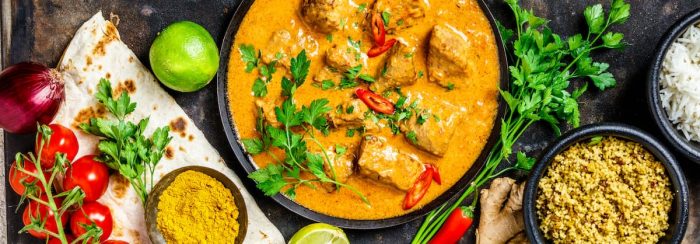
Flavor Profile and Taste Nuances
| Red Curry | Green Curry |
|---|---|
| Features a complex, savory flavor with a slight sweetness, often achieved through the addition of coconut milk. | Known for a fresher, sweeter taste with hints of herbal notes, making it vibrant and aromatic. |
Traditional Pairings and Regional Variations
| Red Curry | Green Curry |
|---|---|
| Commonly paired with meat such as duck, beef, or chicken, and a variety of vegetables like bamboo shoots and bell peppers. | Typically contains Thai basil and is served with meat, vegetables, or even fishballs, emphasizing its herbal freshness. |
Red Curry: Flavor Profile and Ingredients
In this section, we’ll discuss the rich and robust world of red curry, including the foundation of its paste, the key ingredients that give it a distinct taste, and the typical proteins and vegetables that accompany this flavorful Thai dish.
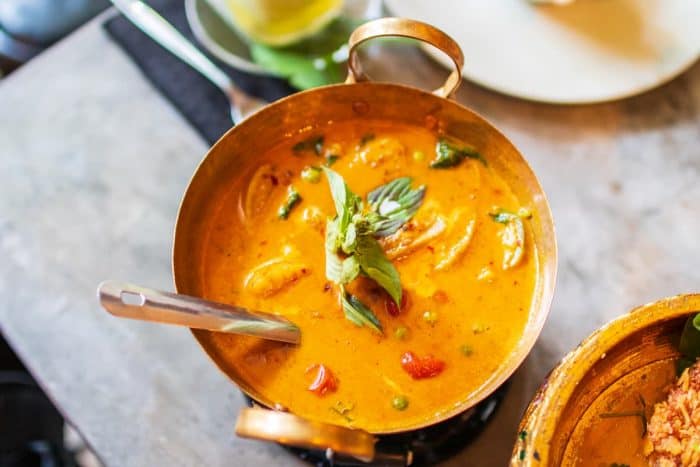
Red Curry Paste
Red curry paste serves as the base for red curry dishes. Its vibrant color primarily comes from red chilies, which are blended with other ingredients to create a paste that is both aromatic and complex.
The core ingredients in red curry paste include the following:
- Red chilies — the main source of the paste's color and heat
- Shallots — provide a savory and slightly sweet foundational flavor base
- Garlic — adds a sharp, aromatic kick
- White peppercorns — provide gentle warmth and spiciness with a floral aroma
- Galangal — a relative of ginger, which imparts a peppery and slightly citrus flavor
- Lemongrass — provides a fresh, lemony aroma
- Shrimp paste — offers a depth of umami flavor
- Coriander seeds — contribute a slight citrus overtone
- Cilantro roots or stems — have a fresh and herbaceous flavor and help balance the richness of other ingredients
- Cumin seeds — give a warm, earthy, smoky, nutty, and slightly bitter flavor
- Kaffir lime leaves — adds a zesty note
Coconut milk is then incorporated to round off the flavor profile of red curry paste and give the curry its creamy texture.
Red Curry Flavor Profile
The flavor of Thai red curry is multilayered, with a balance of spiciness from the red chilies and creaminess from coconut milk.
The spices, notably ginger or galangal, add warmth, while lemongrass and kaffir lime leaves introduce a refreshing citrus note.
- Spicy: The red chilies pack a punch, but the intensity can be adjusted.
- Rich: Coconut milk provides a creamy and smooth backdrop.
- Aromatic: The spices and shrimp paste layer additional complexity.
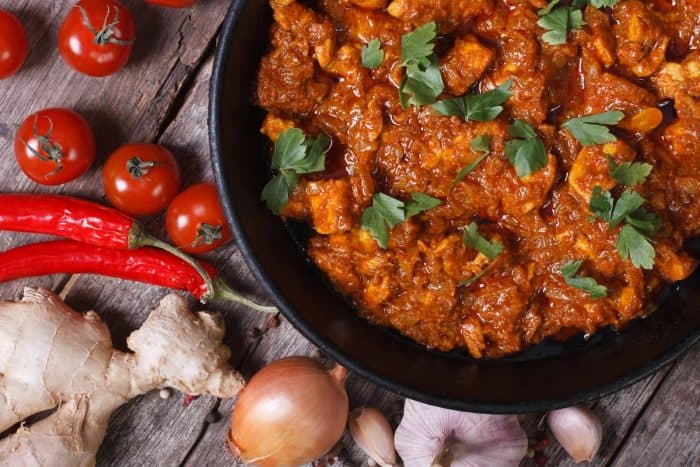
Proteins and Vegetables for Red Curry
While red curry can be adapted to include a variety of proteins and vegetables, here are some commonly paired options:
- Proteins: chicken, beef, duck, or tofu for plant-based diets
- Vegetables: bell peppers, bamboo shoots, Thai eggplant, and Thai basil
The meat or vegetables are simmered in the curry sauce until tender, infusing them with the rich and hearty flavors of the curry paste and spices.
Green Curry: Flavor Profile and Ingredients
This section will guide you through the essentials of green curry paste, its key ingredients, the distinctive flavor profile it offers, and the common proteins and vegetables that usually accompany it.
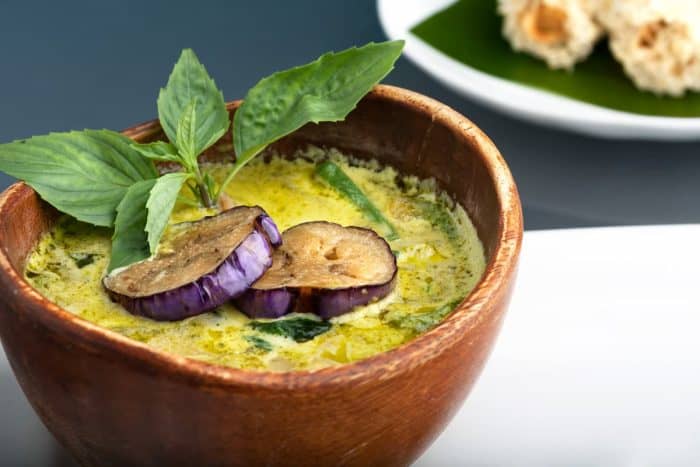
Green Curry Paste
Thai green curry paste is the heart of the dish, bringing together fresh green chilies and a variety of other aromatic ingredients.
The paste gets its color from green chilies, which are less ripe than their red counterparts. As the foundational element, this paste determines the overall flavor and heat of the curry.
The following are central components found within green curry paste:
- Green chilies — the primary source of heat and vivid color
- Shallots — provide a savory and slightly sweet foundational flavor base
- Garlic — adds a sharp, aromatic kick
- White peppercorns — provide a gentle warmth and spiciness with a floral aroma
- Cilantro — adds a fresh, citrusy note
- Cumin seeds — give a warm, earthy, smoky, nutty, and slightly bitter flavor
- Basil — particularly Thai basil, imparts a sweet and spicy flavor
- Coconut milk — balances spiciness and adds creaminess
- Ginger and galangal — lends a sharp, penetrating flavor
- Lemongrass — adds citrusy and minty notes
- Cilantro roots or stems — have a fresh and herbaceous flavor and help balance the richness of other ingredients
- Coriander seeds — contribute to the complex, nutty taste
- Shrimp paste — a dash adds more depth and umami
Flavor Profile
Thai green curry offers a vibrant flavor profile that is both fresh and spicy. It's earthy, slightly sweet, and citrusy, with a peppery kick and a medium heat level that can be adjusted according to taste.
The curry's richness and creaminess come from the coconut milk, providing a smooth balance to the potent flavors.
- Spicy: The heat comes from the green chilies but is slightly milder compared to red curry.
- Aroma: Spices come together to create a multi-layered flavor.
- Herbaceous: The fresh kick is courtesy of basil and cilantro.
- Creamy texture: Thanks to the coconut milk, the curry is creamy and has a subtle sweetness.
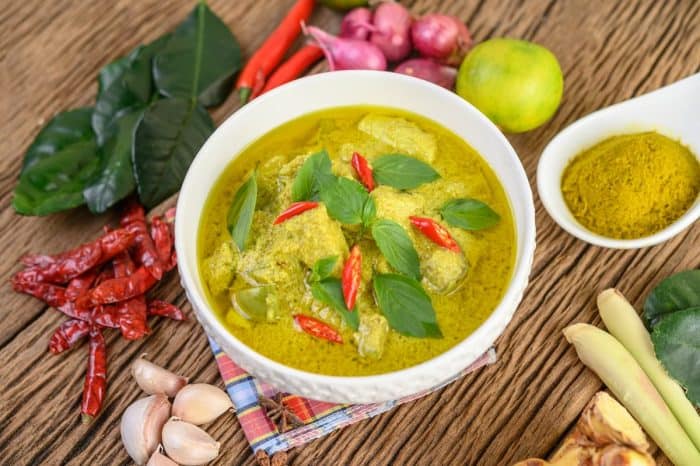
Proteins and Vegetables for Green Curry
Typically, you'll find chicken as the most common protein in Thai green curry, although you can also use beef, pork, or seafood like shrimp.
A symphony of vegetables often accompanies these proteins:
- Thai eggplants and bamboo shoots — commonly used for their texture
- Bell peppers and carrots — add sweetness and colorful contrast
- Peas and zucchini — provide a gentle crunch and soak up the curry's bold flavors
Frequently Asked Questions
How Does the Calorie Content Compare Between Red and Green Curry?
The calorie content between red and green curry can vary depending on the recipe and portion size, but generally, they are similar. The primary factors affecting calorie content are the coconut milk and oil used in cooking.
How Do I Store Leftover Red or Green Curry?
Leftover red or green curry can be stored in an airtight container in the refrigerator for up to 3 to 4 days. For longer storage, you can freeze the curry for up to 2 months. Thaw it in the refrigerator overnight before reheating.
What Side Dishes Go Well With Red or Green Curry?
Red and green curries are commonly served with steamed jasmine or basmati rice, which helps to absorb the rich sauce and balance the flavors.
Other accompaniments can include Thai-style fried rice, rice noodles, or a fresh cucumber salad to complement the curries' spiciness.
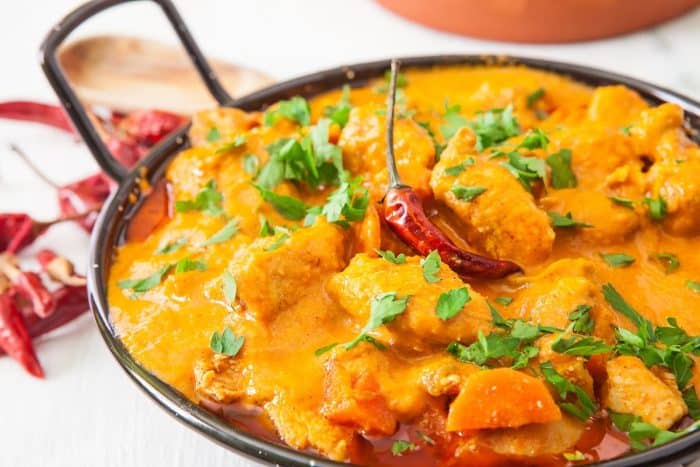
Red Curry vs. Green Curry: Why Not Try Both?
Thai red and green curries offer unique and delightful culinary experiences, each with its own distinct flavor profile and level of heat.
Red curry provides a milder, sweeter taste with a comforting richness, while green curry stands out with its bold spiciness and fresh, herbaceous aroma. Choosing between them depends on your personal preference for heat and the particular taste you're craving.
Whichever you select, both curries embody the essence of Thai cuisine's complexity and are sure to bring a touch of Thailand's vibrant food culture to your table. So why not try both?
Leave a Reply