


Ever heard of rowanberries before? If you haven’t, we don’t blame you! Rowanberries are a hidden gem in the world of fruits; they’re often overlooked but full of potential.
And while they're not commonly found on supermarket shelves, their health benefits and amazing versatility in the kitchen make them worth a try.
So if you’re ready to learn more about these criminally underappreciated berries, read on! We’ll explore everything about rowanberries, from their basic traits to their nutritional advantages.
We'll also touch upon how you can forage and preserve these wild fruits and offer a few clever ideas for delicious rowanberry recipes.
Key Takeaways
- Rowanberries are tart fruits that grow from rowan trees.
- Rowanberries have a range of culinary uses, from tea and vinegar to jams and liquor, which are often enhanced with other fruits or spices.
- They offer health benefits due to their high vitamin C content, antioxidants, and dietary fiber, but they should be cooked to avoid potential toxicity.
- Responsible foraging and proper storage and preparation are key to enjoying rowanberries' unique flavor.
What Are Rowanberries?
Also called mountain ash berries, rowanberries are edible berries produced by rowan or mountain ash trees belonging to the genus Sorbus, which grow throughout Europe, North Africa, and Asia.
To help you get better acquainted with this unique berry, we’ll give you a quick overview of its most basic qualities:
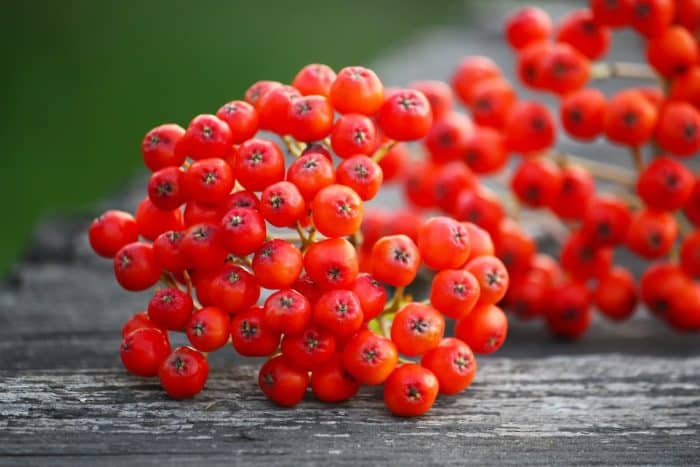
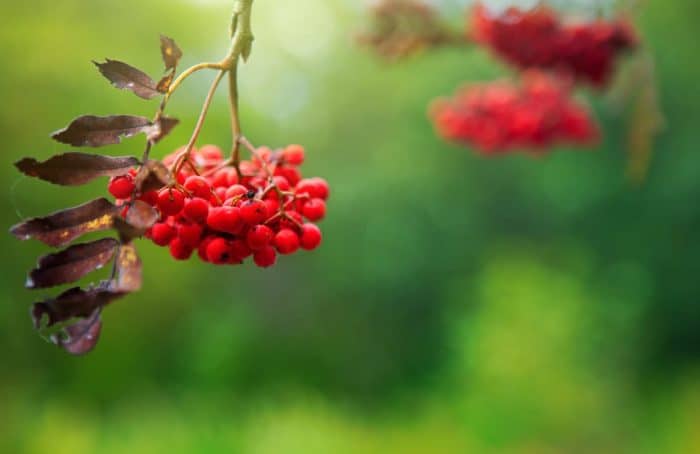
- Appearance: Rowanberries are small and round with a bright orange-red color.
Some rowan trees — such as Sorbus glabriuscula, which grows in China — also grow yellow or white rowanberries, although they tend to be rarer. - Taste: These berries have an extremely bitter, astringent taste that makes them unappetizing to some individuals, although this can be toned down by cooking them with sugar.
Can You Eat Rowanberries Raw?
Important: Before we get into the culinary uses of rowanberry, it’s important to note that raw rowanberries should generally not be eaten or added to recipes.
Aside from their unpleasant taste, rowanberries also have mild toxicity as they contain parasorbic acid. This substance makes them a diuretic and a laxative, which means consuming rowanberries raw can cause an upset stomach.
Popular Rowanberry Recipes
Did you know that rowanberries have a rich history in culinary traditions?
It’s no surprise; their uniquely tart flavor lends complexity and fruity depth to various recipes, among which are the following:
Rowanberry Tea
Dried rowanberries are perfect for adding a unique twist to your usual afternoon, especially when mixed with citrus peels and warming spices to create a fragrant, tangy tea.

Rowanberry Vinegar
Store-bought versions of this are made with fermented rowanberry juice, while homemade ones often involve cooking rowanberries in vinegar and left to ferment for weeks.
Rowanberry Jam
To make an aromatic jam with a perfectly spreadable consistency, rowanberries are mixed with apples.
The latter has a natural pectin content that eliminates the need for added thickeners, and they also help add sweetness to rowanberries without drowning out their flavor.
The jam can be added to pies, cakes, and sandwiches!

Rowanberry Jelly
This is an easy traditional recipe to make with rowanberries. All you need to do is simmer rowanberries in boiling water, mash them, then strain them with a muslin cloth.
Combine the mixture with sugar (and lemon juice, if you’d like to add to the tartness) and let it set to create a clear, flavorful, and wonderfully wobbly jelly that’s perfect for meats and desserts.
Rowanberry Liquor
Those with a taste for homemade liquor might enjoy macerating rowanberries in vodka or gin for a rich, flavorful drink that captures the spirit of foraged fruits.
Rowanberry Wine
Tired of the same old fruity wines? Get a bottle of rowanberry wine or make one of your own instead!
Remember to let the wine mature for at least 12 months for best results.
Rowanberry Chutney
Mixing rowanberries with apples, onions, apple cider vinegar, sugar, garlic, and spices gives you a delicious chutney to pair with curry dishes or chicken recipes.
Pickled Rowanberries
You can make your own pickled rowanberries by placing frozen berries in pickling vinegar with spices, sugar, and salt. This is a great side for rich main courses.
Rowanberry Syrup
There are shops that sell specially crafted rowanberry syrup, but you can also make your own by boiling rowanberries and mashing them.
A drizzle of this is the perfect flavor enhancer for tea and cocktails!

Rowanberry Cooking Methods
Most of the recipes above involve these two methods of cooking rowanberries:
Boiling
Place rowanberries in cold water, bring to a boil, then reduce the heat and simmer until soft.
Macerating
Combine rowanberries with sugar and then cover the mix with apple cider vinegar in a jar. Allow it to sit for a week, shaking daily.
Rowanberry Cooking Tips
Now you know that rowanberry cooking processes are more or less straightforward!
But you can ensure safety and get incredible results every time by following these quick tips:
- Always clean the berries thoroughly before cooking.
- Consider adding aromatic spices to enhance your rowanberries’ flavor profile.
The spices you choose will depend on where you want to use them, although spices and seasonings like rosemary, thyme, peppermint, cloves, and cinnamon are always reliable choices.
- Try balancing out your rowanberries’ bitterness with sweet fruits like apples, apricots, and peaches.

Health Benefits of Rowanberries
Like other berries, rowanberries are a nutrient powerhouse! So making them a part of your diet can deliver a quick boost to your health..
Here are some of the nutrients found in and potential health benefits associated with rowanberries:
Vitamin C
Rowanberries are an excellent source of vitamin C, which is vital for strengthening immunity and maintaining skin health.
It’s also crucial to the production of collagen, a protein the body uses to grow, repair, and maintain connective tissue.
Provitamin A
This compound is converted into vitamin A in the body, which promotes good vision, healthy cell growth, and proper immune function.
Minerals
Iron, potassium, and magnesium are among the minerals found in rowanberries. All these support healthy organ function and proper development.
Antioxidant Properties
These berries contain high levels of antioxidants, which help protect the body from oxidative stress and — as a result — may reduce the risk of chronic diseases.
Anti-inflammatory Effects
The antioxidants in rowanberries also have anti-inflammatory properties, which can help reduce signs of inflammation.
Dietary Fiber
Rowanberries also contain lots of dietary fiber. This is beneficial for digestive health, helping regulate bowel movement and aiding in preventing constipation.

Possible Health Risks of Rowanberries
The good news is that there aren’t a lot of health and safety risks associated with eating rowanberries.
That said, it’s still essential to follow a few precautions:
Toxic When Uncooked
Always cook rowanberries. As mentioned before, the most important safety precaution to take is to cook raw rowanberries before enjoying them to avoid any signs of toxicity.
Allergies
Avoid consuming large amounts of rowanberries if you’re trying them for the first time, especially if you have a history of allergies.
Eating only one of two initially will help you determine whether you have a bad reaction to the fruit.

Foraging and Harvesting Rowanberries
Curious about rowanberries because of your newfound interest in foraging? Great! Rowanberries are actually collected in the wild, and this feat can be both enjoyable and rewarding.
If you’re new to it, we’ve got some tips below to guide you along and to ensure that you know how and when to pick the best rowanberries!
Identify Rowan Trees With Rowanberries
You can easily spot a rowan tree by looking for the following characteristics:
- Slender appearance
- Compound leaves with nine to 15 tooth-edged leaflets, which turn bright red in the fall
- Smooth or lightly textured bark that’s silvery gray or purplish- to gray-brown in color
- Clusters of small, creamy white flowers
Remember that rowan trees grow in cooler climates as they thrive in such environments. They are often found in woodlands, hedgerows, and even urban areas like parks and along streets.
Harvest Rowanberries at the Right Time
The optimal time to harvest rowanberries is in late summer to autumn, after the first frost. This is because the berries sweeten slightly after a frost, making this the prime time to forage.
Use All Your Senses
When foraging, use your eyes for identification, your nose for freshness, and your hands for texture.
This will enhance your foraging experience and help guarantee you're picking the right berries.
Forage Responsibly
Follow these guidelines to make sure you forage safely and responsibly while enjoying the rewards of a lovely autumn harvest to the fullest:
- Gently remove the clusters of berries from the tree, ensuring no damage to the branches. Use secateurs or scissors if necessary.
- Leave the foraging area as you found it — or better. Don't litter, damage plants, or disturb wildlife.
- If you're foraging on private land, always get permission from the landowner first. On public lands, be aware of local foraging laws and regulations.
- Don't strip a tree of all its berries. Leave plenty for wildlife and for the tree to propagate. As a general rule, take no more than one-third of the available fruit from any single tree.
- Bring your own equipment, such as a basket or container for collecting the berries.
- Remove old or black rowanberries from the clusters you’ve harvested, as these may be overripe.

Preserving Rowanberries
Now if you’ve successfully foraged rowanberries, congratulations! The next step is to store and preserve them effectively so you can enjoy their unique flavor year-round.
Let's explore how you can store these versatile berries for long-term use.
Drying
Yes, you can dry rowanberries to extend their shelf life! In fact, this can even concentrate their flavor.
Here’s how to do it:
- Place the berries in a dehydrator for at least 24 hours until completely dry.
- Store the dried rowanberries in an airtight container in a cool, dark place.
Freezing
- Wash the berries thoroughly and pat dry.
- Spread them out on a tray to freeze individually.
- Once frozen, transfer the berries to a freezer-safe bag or container.

Frequently Asked Questions
How Were Rowanberries Used Historically?
Historically, rowanberries have been used in traditional medicine for centuries to treat a variety of ailments, such as kidney problems, liver problems, respiratory issues, infections, and loss of appetite.
Due to their high vitamin C content, they were also used to treat scurvy.
Rowanberries have also been cooked into jellies and jams over the years.
Where Can You Typically Find Rowanberries for Purchase?
Rowanberries might be found at specialty stores, farmers' markets, or online retailers.
You can also find rowanberry products in these shops, such as rowanberry powder, vinegar, syrup, and oil.
Get Ready for a Flavorful Adventure With Unique and Delicious Rowanberries!
It’s true that rowanberries are not the first you think of when you’re craving something fruity. But these vibrant berries have a charm that's hard to ignore once you've gotten to know them.
Whether you're jazzing up your jams, concocting a robust chutney, or venturing into the realm of homemade liquor, rowanberries offer a unique twist to your culinary creations.
And if you’re interested in foraging and exploring the natural world, looking for and harvesting these berries are certainly worthwhile endeavors.
Leave a Reply