


Turmeric has long been a staple ingredient in various cuisines due to its unique flavor, vibrant color, and many health benefits.
It enhances the taste of dishes, adding warmth and depth to recipes.
However, you might find yourself without turmeric in your pantry or needing an alternative due to personal preferences or dietary restrictions.
Don’t worry; there are several turmeric substitutes available, ranging from widely accessible options to more exotic alternatives.

However, understanding these substitutes and their flavor profiles is essential in finding the perfect replacement for turmeric in your recipes.
In this article, we’ll introduce you to delicious turmeric alternatives that’ll help bring your culinary creations to life!
Key Takeaways
- Turmeric has a unique flavor, vibrant color, and a host of health benefits, but if you don’t have any available, there are several substitute options.
- Understanding the substitutes and their flavor profiles is essential when selecting the perfect replacement for turmeric in your dishes.
- When choosing your substitute, consider factors like color, taste, consistency, and availability. You can experiment with different alternatives and proportions to achieve exciting and unique flavors.
Understanding Turmeric
Turmeric is a bright yellow-orange spice that comes from the root of the turmeric plant. Its flavor is earthy, warm, and slightly bitter, with a peppery aroma.
It is commonly used in Asian cuisines, mainly Indian cooking, for its unique taste and vibrant color.
You'll find it in many recipes like curries, rice dishes, and soups. It's also a key ingredient in spice blends such as garam masala.
Fresh Turmeric vs. Ground Turmeric
You may come across two forms of turmeric in your cooking adventures: fresh turmeric and ground turmeric.
Fresh turmeric is the raw root of the plant, which can be peeled and grated or finely chopped.
It has a more intense flavor and aroma compared to its ground counterpart and is typically used in smaller quantities.
Ground turmeric, on the other hand, is made by drying and grinding the root into a fine powder.
It's more accessible and has a longer shelf life, making it the go-to option for many recipes.
Health Benefits Associated With Turmeric
Turmeric isn't just a flavorful spice; it's also known for its numerous health benefits due to its main active ingredient, curcumin.
Curcumin has powerful anti-inflammatory properties that can help alleviate inflammation and reduce pain.
This makes turmeric a popular alternative remedy for ailments like arthritis and other inflammatory conditions. It is also known to aid digestion and promote overall gastrointestinal health.
Furthermore, turmeric has been linked to improved brain function and reduced chances of developing heart disease.

Popular Turmeric Substitutes: Flavor Profile, Aroma, and Comparison Chart
Now that you know what potential substitutes you can use, we break down the most popular ones further, specifically focusing on their flavor and aroma profiles and how they compare to turmeric.
It’s also important to note that most of these do not have the same health benefits as turmeric, as they are their own spices with their own unique properties.
| Substitute | Flavor and Aroma | Color | Usage Ratio (Turmeric to Substitute) | Best Dishes |
|---|---|---|---|---|
| Turmeric Paste | Earthy and peppery | Yellow-orange | 1:1 | Smoothies, soups, stews, rice dishes |
| Ginger | Warm, spicy | Pale yellow | 1:1 | Stir-fries, soups, smoothies, and cakes |
| Saffron | Floral, unique | Reddish brown to golden yellow | 1: pinch of saffron | Soups, vegetable and rice dishes, pickling |
| Curry Powder | Warm, earthy, and slightly spicy | Yellow-orange | 1:1 | Curries, soups, and stews |
| Paprika | Sweet, smoky | Orange-red | 1:½ | Rice dishes and stir-fries |
| Annatto Seeds | Nutty and peppery | Orange-yellow | 1:1 | Soups, stews, marinades |
| Cumin | Warm and nutty | Light yellow to beige | 1:1 | Soups, sauces, and marinades |
| Mustard Powder | Tandy and mildly spicy | Yellow | 1:1 | Rice and vegetable dishes, soups, pickling |
| Cumin Seeds | Warm and slightly sweet | Light brown | ¼ inch:½ tsp. (fresh turmeric to cumin seeds) | Stews, curries, rice dishes |
| Cayenne Pepper | Slightly smoky, sweet, and spicy | Red-orange | ½:¼ | Curries, soups, and stews |
| Galangal Powder | Spicy and citrusy | Light yellow to beige | 1:1 | Soups, stews, and seasoning/marinade |
| Garam Masala | Warm and spicy | Beige-red | 1:1 | Seasoning, roasting vegetables and meat |
| Safflower | Nutty and sweet | Red-orange | 1:1 | Soups, stews, curries, and rice and vegetable dishes |
| Chili Powder | Mild to moderately spicy | Red | 1:½ | Curries, soups, and stews |
14 Turmeric Substitutes You Should Try!
Now that you know a little more about turmeric and why you may need it for your dishes, let’s take a closer look at the potential substitutes you can use when you’re fresh out of this flavorful herb.
Keep in mind that these substitutes might not replicate the exact flavor and aroma of turmeric, but they can be used in certain scenarios when turmeric is not available.
1. Turmeric Paste

Turmeric paste is a mixture of ground turmeric, water, and other ingredients such as
black pepper and coconut oil. It’s easy to store and keep in the refrigerator.
Turmeric paste is also more versatile than turmeric powder, as it can be used in a variety of ways, such as adding it to smoothies, soups, or curries.
Suggested ratio: You can start with a 1-to-1 ratio in your recipe and adjust as needed.
2. Ginger Powder
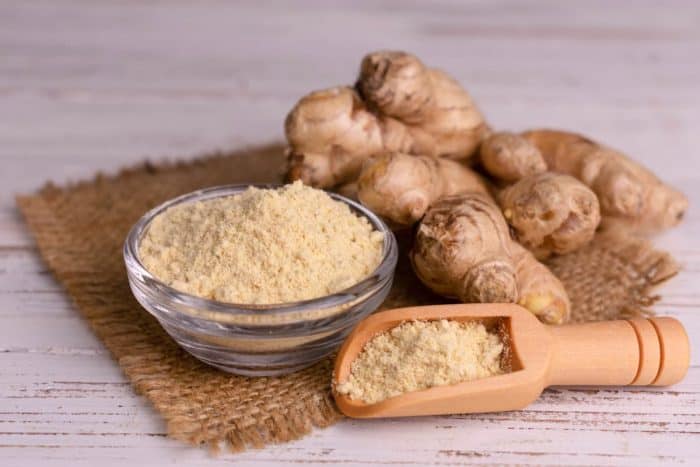
A close relative of turmeric, ginger has a spicy, slightly sweet, and aromatic flavor. Ginger powder is a common substitute for turmeric, especially when looking for a similar flavor profile.
The ginger family includes both turmeric and galangal, making them more interchangeable and good for stir-fries, soups, and cakes.
Suggested ratio: You can use 1 teaspoon of ginger powder as a substitute for 1 teaspoon of turmeric powder.
3. Saffron
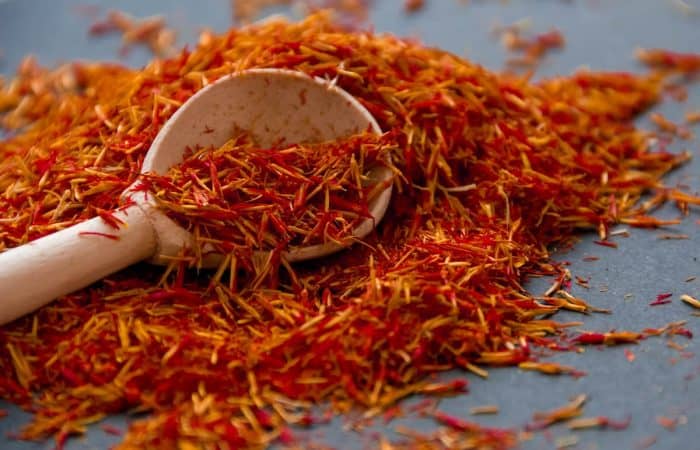
Saffron is another excellent substitute for turmeric, mainly when used for its vibrant yellow color.
The exotic spice has a delicate, slightly sweet, and floral flavor with a unique aroma.
Suggested ratio: You can use a pinch of saffron for every teaspoon of turmeric required in your recipe. However, remember that saffron is more expensive and can have a more potent flavor.
4. Curry Powder
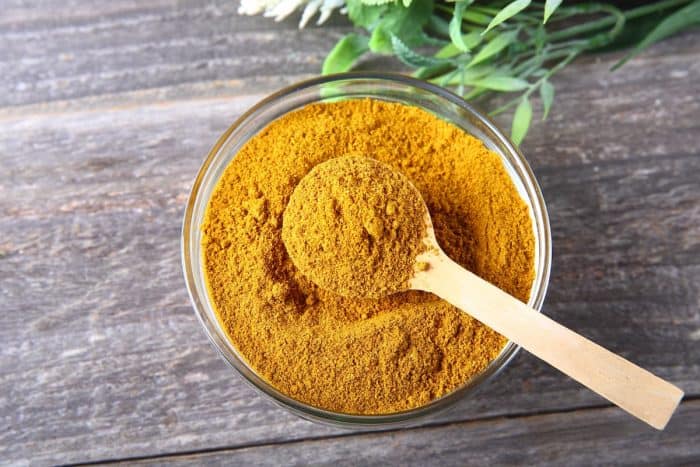
Curry powder is a blend of several spices and often contains turmeric, among other spices, so it can serve as a substitute in a pinch.
It provides a warm, slightly spicy flavor.
Suggested ratio: You can use 1 teaspoon of curry powder for every teaspoon of turmeric required. It will alter the dish's overall flavor, so be sure to taste and adjust other spices as needed.
5. Paprika
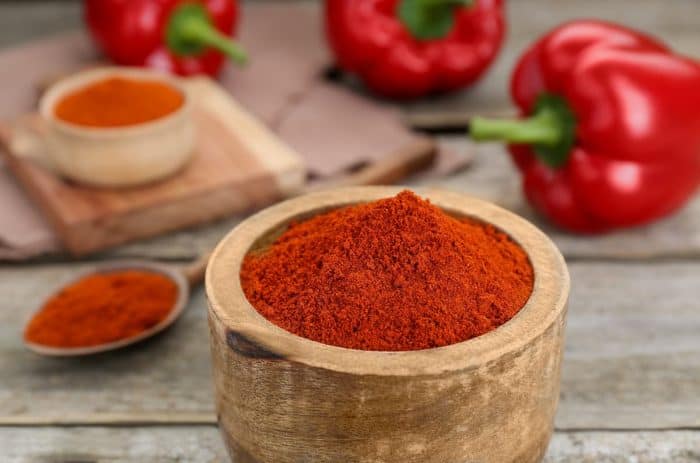
Paprika is a spice made from ground sweet or hot peppers.
It is commonly used as a turmeric substitute in recipes that have a similar color and flavor profile, like rice dishes or spice blends.
This substitute provides a reddish color to your dish. However, the flavor profile is significantly different, so keep that in mind when using it in your dishes.
Suggested ratio: You can replace 1 teaspoon of turmeric with half a teaspoon of paprika, but be sure to taste as you go so that you can match your flavor profile.
6. Annatto
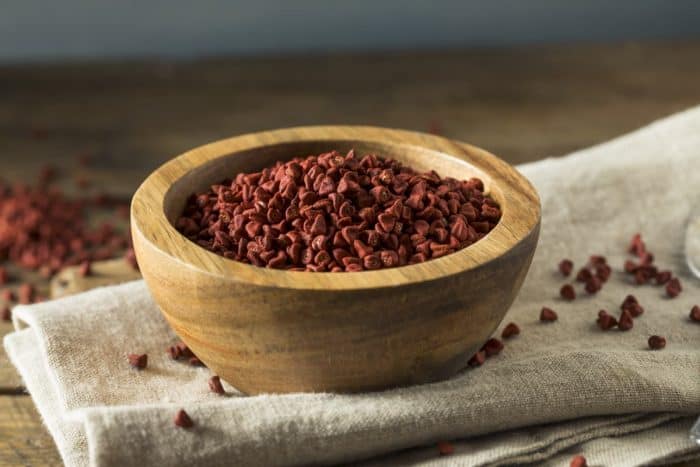
Annatto seed, derived from the achiote tree, can be an effective turmeric substitute for its similar orange-red color.
This spice offers a nutty, peppery flavor and works best with savory dishes like rice and stew.
Suggested ratio: To replace 1 teaspoon of turmeric, use 1 teaspoon of annatto seeds or powder. Keep in mind that annatto has a milder nuttier flavor compared to turmeric.
7. Cumin

Cumin is a common spice in Middle Eastern and Indian cuisine. It can be used to substitute turmeric in some recipes.
Cumin can provide a different appearance and flavor but is an excellent substitute for its earthy taste.
It’s good for savory dishes like curries, soups, and stews, where the warm, earthy flavor can complement other spices and ingredients.
Suggested ratio: Swap 1 teaspoon of turmeric with 1 teaspoon of cumin.
8. Mustard Powder

Mustard powder may not be as bright yellow as turmeric, but the colors are similar, and it can add a similar tangy, pungent flavor to dishes.
It can be used as seasoning for meat and vegetables or added to savory dishes like curries and stews.
Suggested ratio: Use 1 teaspoon of dry mustard for every teaspoon of turmeric required. Keep an eye on the dish's acidity, as mustard powder can be more tangy than turmeric.
9. Cumin Seeds
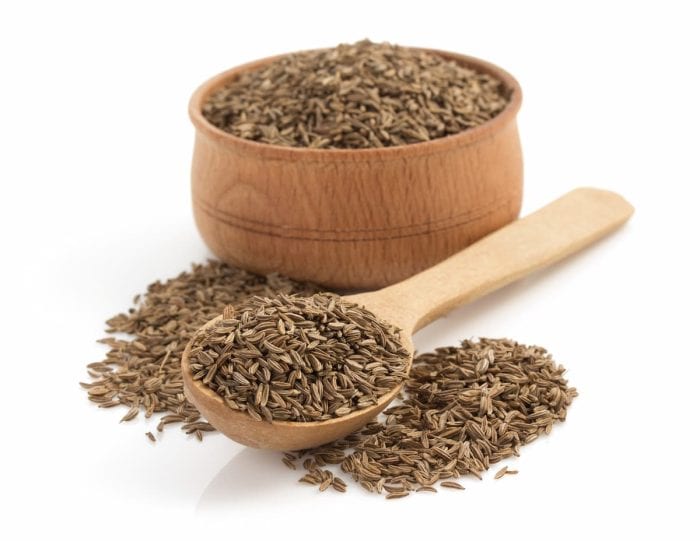
If your recipe calls for fresh turmeric, cumin seeds can be a suitable substitute.
This option delivers a pretty different flavor profile from fresh turmeric but works to add an earthy and savory taste to your dish.
Cumin seeds offer an earthy, robust flavor with a hint of citrus. They aren’t as pungent and strong as cumin powder. However, they are slightly less convenient to work with as you need to incorporate the grinding.
Suggested ratio: Use ½ teaspoon of cumin seeds for each ½ inch of fresh turmeric required.
10. Cayenne Pepper

Cayenne pepper is another spicy alternative to turmeric. While it does not have the same flavor profile as turmeric, it can add a similar level of heat and color to your dishes.
It works well with hearty, savory dishes like stews and curries, where it can complement other spices.
Suggested ratio: You can use ¼ to ½ teaspoon of cayenne pepper for every teaspoon of turmeric. But be cautious with the heat level since cayenne pepper is spicier than turmeric.
11. Galangal Powder
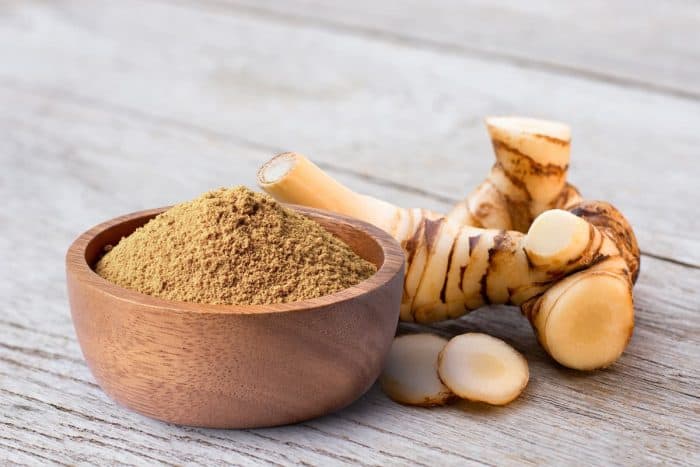
Galangal powder is a member of the ginger family and a reliable substitute for turmeric. It doesn’t have the same bright yellow color as turmeric but can add a similar spicy and citrusy flavor to dishes and can add a touch of heat to recipes.
It works best with stews, soups, and curries and can also work as a seasoning or marinade for other dishes.
Suggested ratio: Use 1 teaspoon of galangal powder for every teaspoon of turmeric.
12. Garam Masala

Garam masala is a spice blend commonly used in Indian cuisine that usually contains some turmeric. It doesn’t possess the same bright yellow color, but it can add a similar depth of flavor to dishes.
It’s best for soups, stews, and curries, where warm aromatic spices blend to create the taste. You can also use it in your seasoning for meat and vegetables.
Suggested ratio: Replace 1 teaspoon of turmeric powder with 1 teaspoon of garam masala. The blend may change the overall taste of your dish, so adjust other spices accordingly.
13. Safflower
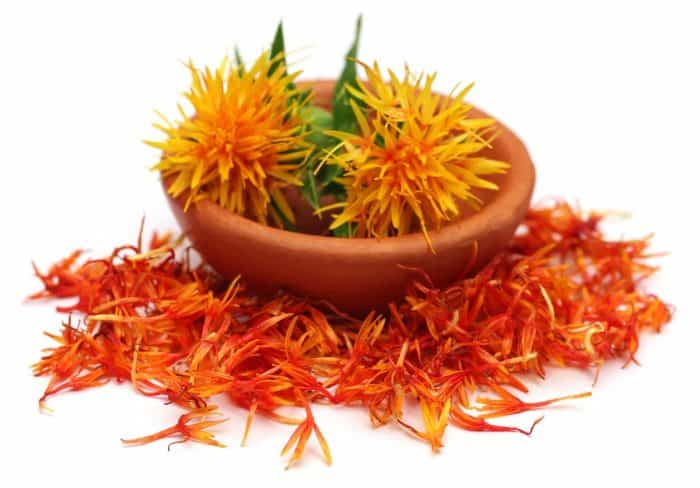
Safflower is from the Middle East and Central Asia. It can be a convenient turmeric substitute for its color, though it lacks the same depth of flavor.
Suggested ratio: To replace 1 teaspoon of turmeric, use 1 teaspoon of safflower petals or powder. You can use it in stews, soups, and curries.
14. Chili Powder

Chili powder is a spice blend made from ground chili peppers and other spices.
It does not have the same color as turmeric but can be used as a substitute when you need to add heat and color to your dish.
Suggested ratio: Start with ½ teaspoon of chili powder as a substitute for 1 teaspoon of turmeric and adjust according to taste and spiciness. It’s best with hearty dishes that benefit from a spicy touch, like stews, soups, and curries.
How To Choose Which Turmeric Substitute To Use
When looking for a turmeric substitute, there are a few options that can provide similar flavors and colors to your dishes.
When selecting a substitute for turmeric, consider the following factors:
- Color: Turmeric is known for its vibrant yellow color that can brighten any dish. Some good color substitutes include saffron, annatto, and paprika.
- Taste: Turmeric has a warm, slightly bitter flavor that provides depth to recipes. Flavors like cumin, ginger, and curry powder can mimic this taste.
- Availability: Choose a substitute based on how accessible it is in your area. Common substitutes such as ginger, cumin, and curry powder are widely available, while alternatives like saffron and annatto might be harder to find.
By following these recommendations and tips, you can successfully use various turmeric substitutes in your cooking, enhancing the flavors and colors of your dishes without sacrificing taste.
Frequently Asked Questions
Does the Dish Matter When Choosing a Turmeric Substitute?
Yes, the dish you are preparing matters when choosing a substitute. Different spices complement different foods, so it's important to consider the type and flavor of the dish when selecting an alternative.
Pay attention to the flavor profiles and colors of the available substitutes, and choose the one that best aligns with your dish.
Can You Combine Spices To Substitute for Turmeric?
Absolutely! You can combine various spices to create a flavor similar to turmeric.
Mixing spices like ground ginger, paprika, or cumin can help mimic the taste and color of turmeric.
However, it's essential to note that the combined flavor may not exactly match turmeric's taste, so adjust the proportions as necessary to achieve your desired outcome.
Try These Turmeric Substitutes for Your Next Recipes
Turmeric substitutes allow you to adapt your favorite recipes and provide opportunities to diversify your cooking techniques, flavor profiles, and ingredient knowledge.
Incorporating these alternatives into your culinary repertoire will ultimately expand your appreciation for the rich and varied world of spices.
As you explore different substitutes to use, don't be afraid to experiment with various alternatives and proportions in your recipes.
Trying new combinations can lead to exciting and unique flavors you might not have experienced otherwise!
Want To Discover More Substitutes for Your Cooking?
Check these out:
Leave a Reply