


Coconut sugar has gained popularity among cooking and baking enthusiasts over the years — and for good reason.
A natural sweetener from the coconut palm tree, it boasts a sweet flavor with notes of caramel and a lower glycemic index than traditional white sugar.

However, coconut sugar is usually expensive and not always readily available.
But don't worry! We’ve listed the most excellent coconut sugar substitutes to use in your recipes without sacrificing your final dish’s taste or texture.
A Quick Look at the 20 Best Coconut Sugar Substitutes
| Substitute | Flavor | Recommended Uses | Substitution Ratio |
|---|---|---|---|
| Brown Sugar | Dark, sweet, and caramel-like | Baked goods like cookies and brownies | 1:1 |
| Palm Sugar | Sweet and caramel-like | Asian dishes like glazed chicken and pad Thai | 1:1 |
| White Sugar | Sweeter than coconut sugar | Classic chocolate chip cookies, cakes, cinnamon rolls | 1:1 |
| Date Sugar | Sweet, malty, butterscotch-like | Brownies, oatmeal cookies | 1:1 |
| Demerara Sugar | Sweet with caramel and toffee notes | Tea, coffee, pies | 1:1 |
| Turbinado Sugar | Sweet, caramel-like | Loaf cakes, bread pudding, crumbles, dry rubs | 1:1 |
| Panela/Rapadura Sugar | Sweet, deep flavor with a hint of rum | Horchata, fruit punches, lemonades | 1:1 |
| Sucanat | Sweet and deep | Banana bread, baked goods | 1:1 |
| Monk Fruit Sweetener | Fruity with a slight hint of caramel | Muffins, cakes | 1:⅓ |
| Stevia | Sweet with a slight licorice flavor | Tea, lemonade, pastries, casseroles | 1:⅓ |
| Xylitol | Similar to white sugar | Tea, coffee, cakes, cookies | 1:1 |
| Erythritol | Similar to white sugar | Beverages, cream fillings | 1:⅓ |
| Tagatose | Sweeter than coconut sugar | Coffee, oatmeal | 1:1 |
| Maple Syrup | Very sweet maple flavor | Salad dressings, vinaigrettes | 1:⅔ |
| Honey | Sweet, delicate, floral | Cakes, cookies, dressings, BBQ sauce | 1:¾ |
| Agave Syrup | Sweet and mild with caramel notes | Cakes, muffins | 1:⅔ |
| Brown Rice Syrup | Sweet and subtly nutty | Granola, bite-sized desserts, Rice Krispies Treats | 1:¾ |
| Molasses | Burnt caramel with notes of prune | Baked goods like gingerbread | 1:½ |
| Coconut Caramel Sauce | Blend of coconut and caramel | Caramel pudding | Varies |
| Yacon Syrup | Sweet with a hint of molasses | Dressings, sweet sauces | 1:¾ |
20 Best Coconut Sugar Substitutes
Are you looking for the best alternatives to coconut sugar for baking and cooking? Look no further!

We’ve provided various options for you to choose from below, each with its own unique benefits and applications.
Sugar and Powdered/Granulated Sweeteners
1. Brown Sugar
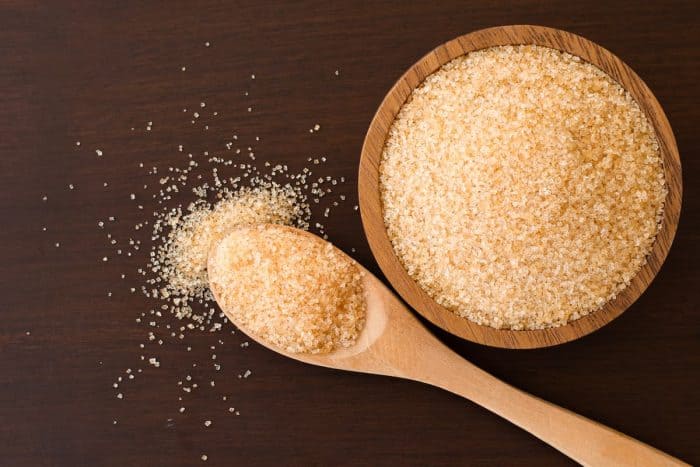
Brown sugar is a widely available and easy-to-use substitute for coconut sugar since it has a similar taste, texture, and appearance.
Like white sugar, it is primarily made from sugar cane or sugar beets but with the addition of molasses.
This gives it a brown color, slightly caramel-like flavor, and a moist texture that closely resembles coconut sugar. As such, it’s considered the best overall substitute for coconut sugar.
Recommendations for use: Brown sugar can stand in for coconut sugar substitute in practically any recipe, particularly baked goods like cookies and brownies.
Substitution ratio: 1:1
2. Palm Sugar
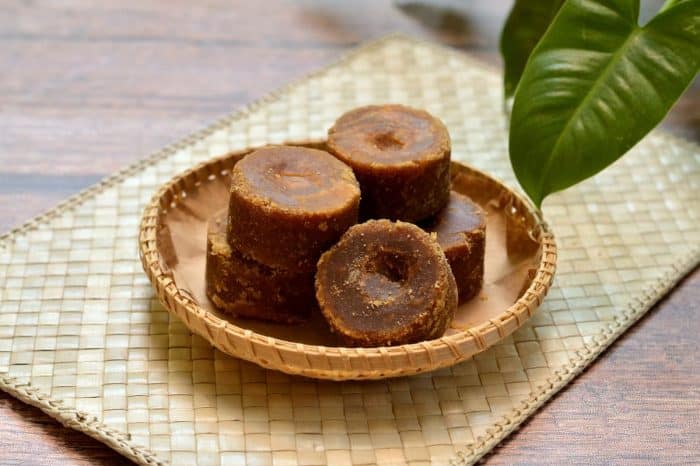
If you're looking for a natural and delicious substitute for coconut sugar, palm sugar is also an excellent choice!
Like coconut sugar, palm sugar is an unrefined sugar that's minimally processed, thus retaining more nutrients and having a rich, caramel-like flavor.
Recommendations for use: Commonly used in Southeast Asian cuisine, palm sugar is a great coconut sugar substitute for Asian dishes like glazed chicken and pad Thai, adding a subtle sweetness to their savory flavor profile.
Substitution ratio: 1:1
3. White Sugar
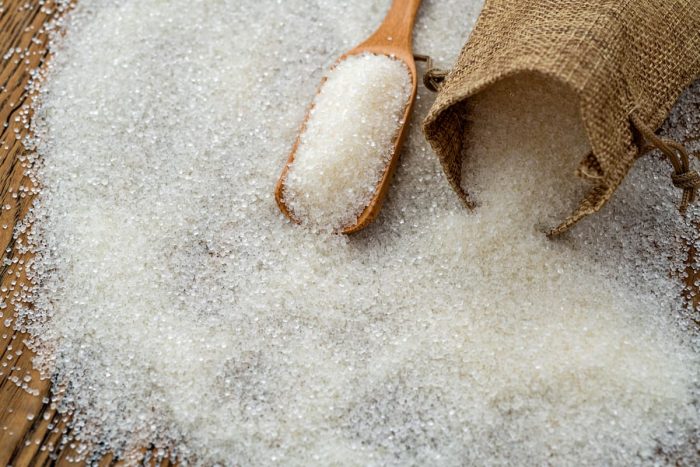
While white sugar (or granulated sugar) may not more processed than coconut sugar, it can still be the best substitute in certain recipes, especially if your pantry has no other sweeteners available.
Keep in mind that regular white sugar has a sweeter flavor than coconut sugar, so use it in moderation to avoid oversweetening your dish.
It's also finer in texture, which can be beneficial in recipes that require a smoother consistency.
Recommendations for use: White sugar can be used instead of coconut sugar to make classic shortbread or chocolate chip cookies, cakes, cinnamon rolls, and other sweet baked goods.
Substitution ratio: 1:1
4. Date Sugar
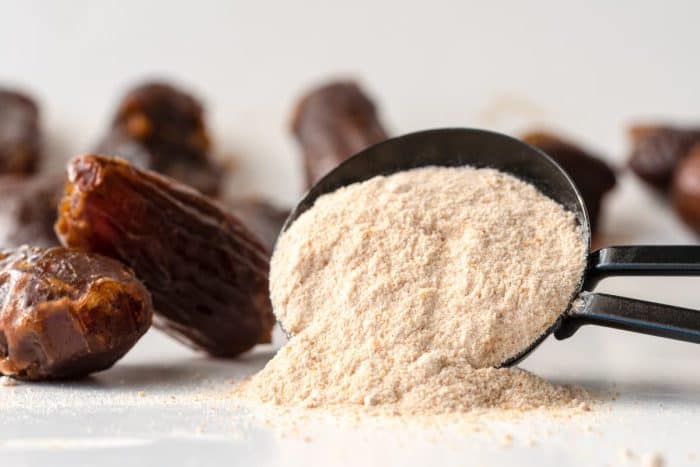
Made from dried, ground dates, date sugar possesses a naturally sweet, malty taste with a hint of butterscotch. So it can excellently replace coconut sugar in recipes calling for sweetness and complexity.
Generally, date sugar is similar to coconut sugar, although it has a slightly coarser texture. However, it's much more expensive, so save this alternative for special occasions.
Recommendations for use: Elevate the taste of your brownies or oatmeal cookies by using date sugar in coconut sugar’s place. However, remember that it offers a unique taste, so be prepared for a slightly altered flavor in your final product.
Substitution ratio: 1:1
5. Demerara Sugar
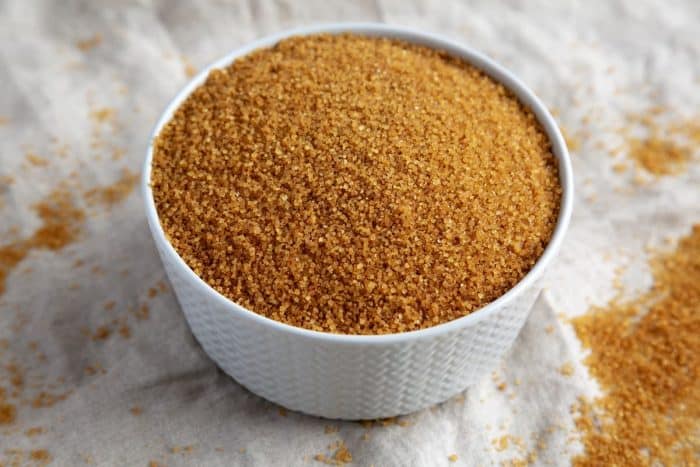
If you are after a sugar substitute that is minimally processed, then opt for demerara sugar.
It is a raw sugar that contains a small amount of molasses and boasts caramel or toffee notes, offering a flavor profile and texture similar to coconut sugar.
Additionally, this type of sugar has large granules, which work well in recipes that can use some added texture.
Recommendations for use: Demerara sugar can be added to tea or coffee or used when making pies.
Substitution ratio: 1:1
6. Turbinado Sugar
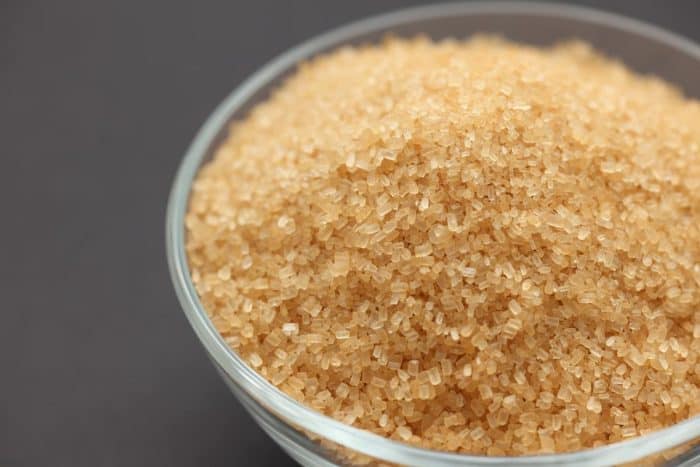
One great organic alternative to coconut sugar is no other than turbinado sugar. It's a minimally processed raw sugar, meaning it retains a small amount of its natural molasses.
Because of this, it has a lovely caramel flavor and a beautiful golden brown color that makes it similar to coconut sugar.
Recommendations for use: Add a sparkly, crunchy topping to your loaf cakes and bread pudding by sprinkling turbinado sugar on them before baking. You can also use it to replace coconut sugar in crumbles and dry rubs.
Substitution ratio: 1:1
7. Panela or Rapadura Sugar

This raw form of pure cane sugar is commonly used in Mexican cuisine (and referred to as piloncillo in Mexico). It usually comes in rectangular or circular forms, which can be grated and added to recipes requiring coconut sugar.
You can expect a light, sweet molasses taste with burnt caramel undertones from panela. Its generally flavorful and aromatic quality makes it ideal for many dishes.
However, its flavor profile is more complex since it also has a hint of rum.
Recommendations for use: Drinks like horchata, fruit punches, and lemonades can have a more extraordinary taste when made with panela sugar instead of coconut sugar.
Substitution ratio: 1:1
8. Sucanat

Sucanat gets its name from "sugar cane natural." It's typically produced by extracting the juice out of the sugar cane, straining it, and boiling it.
It is then paddled until dry, resulting in a coarser texture than coconut sugar.
For those searching for a vegan, organic, and non-GMO alternative to coconut sugar, this is your best bet.
It contains 88% natural sugar with a hint of molasses in its complex taste profile, perfect for baked goods and beverages.
Recommendations for use: Sucanat can be used for banana bread and other baked goods.
Substitution ratio: 1:1
9. Monk Fruit Sweetener
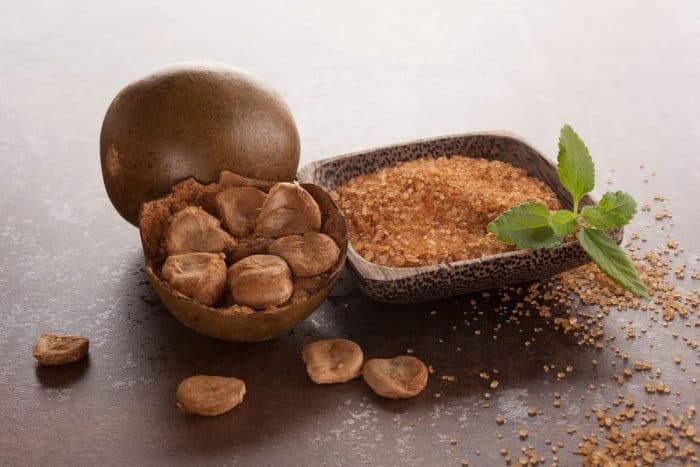
Monk fruit sweetener is another fantastic alternative to coconut sugar, offering a natural sweetness without extra calories or carbohydrates.
It’s derived from the monk fruit, a small green gourd growing in Southeast Asia. Its fruit is usually crushed, excluding the seeds and skin, filtered, and extracted to bring out its sweet taste.
So monk fruit sweetener is an incredible choice for beverages, desserts, and sauces or dressings.
Recommendations for use: For a fruity flavor with a slight caramel taste of caramel, monk fruit can be used to sweeten muffins and cakes.
Substitution ratio: 1:⅓
10. Stevia

Stevia is a popular sweetener made from a plant called Stevia rebaudiana. While it has no calories, it can add much-needed sweetness to your food and beverages.
And it won’t raise blood sugar levels, making it a great alternative for diabetics.
But it’s essential to consider that stevia has a hint of a licorice flavor that differs from the flavor profile of coconut sugar. Stevia also has a slightly bitter aftertaste that can take some getting used to.
Recommendations for use: Stevia can be used to sweeten tea or lemonade for a refreshing, low-calorie beverage. It can also be used in baking and cooking, particularly for recipes like syrups, pies, pastries, and sweet casseroles.
Substitution ratio: 1:⅓
11. Xylitol
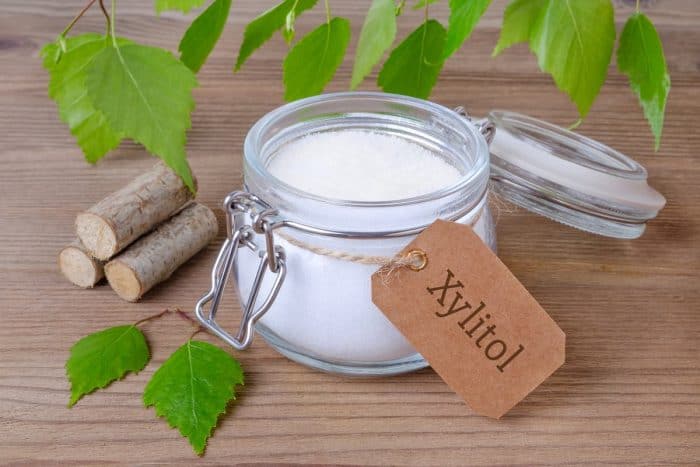
Derived from various plants (like fruits, vegetables, oats, and birch trees), xylitol is often considered one of the best substitutes for coconut sugar.
This sweetener tastes just like regular white sugar but has fewer calories. Also, since it comes in powdered form, xylitol will dissolve quickly. So it’s ideal for hot or cold drinks.
Recommendations for use: Enjoy your tea or coffee or whip up delicious batches of cakes and cookies with xylitol instead of coconut sugar.
Substitution ratio: 1:1
Caution: Xylitol is toxic to dogs, so exercise caution when using it if you have furry friends.
12. Erythritol
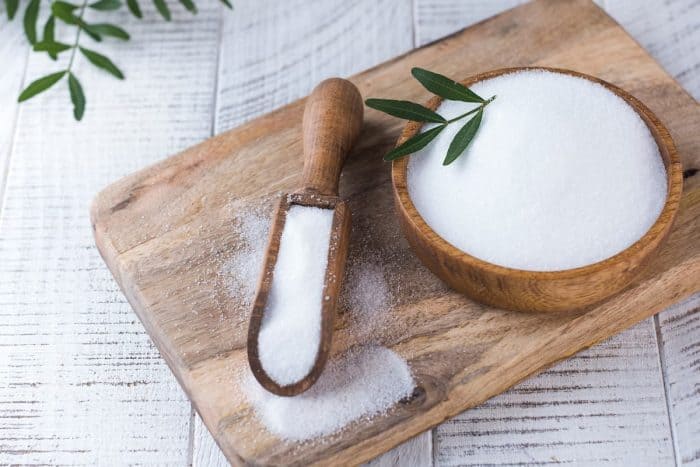
Erythritol, a sugar alcohol derived from corn, has long been used as a healthy substitute for regular sugar since it doesn’t raise blood sugar levels. And it can likewise replace coconut sugar in a wide variety of dishes.
Its taste is similar to xylitol or white sugar, so it can work as a good sweetening agent for recipes.
That said, erythritol doesn’t possess the same caramel-like flavor as coconut sugar, so it may not be a good coconut sugar substitute in recipes that need a deeper, darker flavor.
Recommendations for use: Erythritol can be used in place of coconut sugar in many beverages and cream fillings.
Substitution ratio: 1:⅓
13. Tagatose
Tagatose is a low-calorie sweetener derived from lactose, a sugar in milk. It has a white to slightly off-white color in its crystalline powder form.
Tagatose is sweeter than coconut sugar, and it doesn't have any bitter aftertaste.
Further, it dissolves easily in liquids, making it a great option for sweetening drinks.
Recommendations for use: Is your coffee tasting too bitter or your oatmeal too bland? A bit of tagatose will make your breakfast much more pleasant.
Substitution ratio: 1:1
Syrups, Sauces, and Other Liquids
14. Maple Syrup
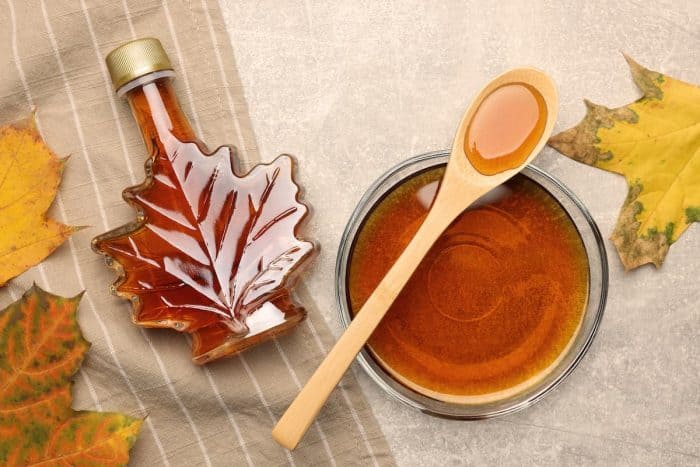
Maple syrup is also a fantastic substitute for coconut sugar in many recipes, especially those that need the moistness that a liquid sweetener delivers.
Plus, its distinct and delicious maple flavor can add depth and complexity to dishes. It also has a unique and appealing aroma that can make any recipe irresistible.
But there are some differences to consider. Pure maple syrup is thinner and runnier than coconut sugar. It's also not as sweet as coconut sugar, so you may need to use slightly more of it in your recipes.
Recommendations for use: To sweeten salad dressings and vinaigrettes, drizzle maple syrup for a unique and flavorful twist.
Substitution ratio: 1:⅔
15. Honey

Offering a sweet, delicate taste with slight floral notes, honey can give any dish a delightful flavor.
Whether you want to use it for a savory recipe or a delectable dessert, you can rest assured that honey will give your final product the depth and sweetness coconut sugar provides.
However, note that raw honey is thicker, stickier, and sweeter than coconut sugar. However, it's important to note that honey is sweeter than coconut sugar, so using less of it than the amount of coconut sugar your recipe needs is recommended.
Recommendations for use: Swap out coconut sugar for honey in cakes, cookies, homemade dressings, and sauces like BBQ sauce.
Substitution ratio: 1:¾
16. Agave Syrup

One of the advantages of using light agave syrup to replace coconut sugar is its mild, neutral flavor.
This is a great option for those who don't want their sweetener to overpower the other flavors in their dishes.
However, the darker the agave syrup, the stronger its caramel flavor. This means you can always opt for dark agave syrup if you want the caramel notes to shine.
Also, be mindful of the recipe's liquid content and adjust the amount of agave syrup you use accordingly to avoid a runny outcome.
Recommendations for use: Agave syrup is a wonderful choice for cakes and muffins if you don’t have coconut sugar.
Substitution ratio: 1:⅔
17. Brown Rice Syrup
This syrup is made from brown rice and has a sweet, subtly nutty flavor that complements a wide range of flavors.
And due to its liquid form, this is incorporated easily into several dishes, making it a great coconut sugar substitute in the kitchen.
Recommendations for use: Brown rice syrup can also be used to sweeten homemade granola, bite-sized desserts, and recipes with Rice Krispies Treats.
Substitution ratio: 1:¾
18. Molasses
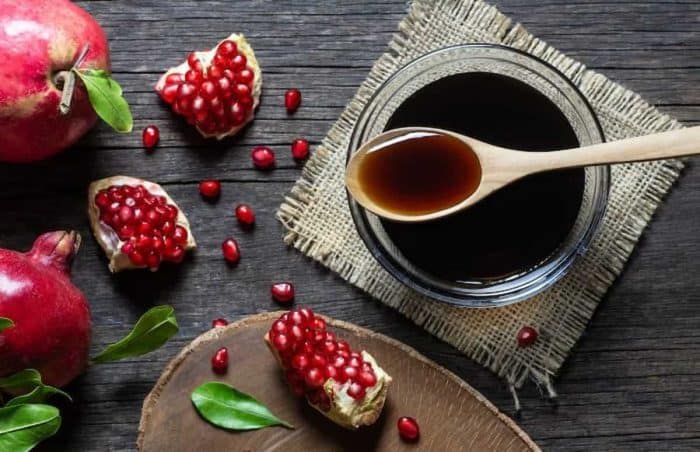
Molasses gives brown sugar its brown color and sweet flavor. Because of this, it can be an excellent substitute for coconut sugar, adding depth and complexity to your recipes.
It’s especially beneficial for baked goods since it helps dough retain moisture, resulting in a soft and moist texture.
Should you use this instead of coconut sugar, expect a burnt caramel note with a prune-like aftertaste.
Recommendations for use: Molasses can be used instead of coconut sugar or other sweeteners in baked goods like gingerbread.
Substitution ratio: 1:½
19. Coconut Caramel Sauce
Made by simmering coconut milk and brown sugar or muscovado, coconut caramel sauce can be used as a substitute for coconut sugar in some recipes.
Living up to its name, this does taste sweet with a hint of coconut and caramel. It's rich, creamy, and thick but capable of dissolving quickly in liquids.
It's certainly one of the ultimate alternatives in your kitchen if you prefer a coconut taste with sweet caramel undertones similar to coconut sugar.
Not in the mood to create your own coconut caramel sauce? You can buy a store-bought version!
Recommendations for use: Replace your coconut sugar and ditch the condensed milk with coconut caramel sauce when making caramel pudding!
Substitution ratio: Varies depending on the desired consistency and sweetness
20. Yacon Syrup

Last on our list is yacon syrup, which has a thick consistency and deep brown color (similar to molasses).
It tastes like honey but is not as sweet. So it’s a great replacement for coconut sugar if you don’t want your recipe to go overboard with sweetness.
Recommendations for use: Yacon syrup can fill in for coconut sugar in dressings and sweet sauces.
Substitution ratio: 1:¾
Frequently Asked Questions
What Type of Sugar Is Closest to Coconut Sugar?
Light brown sugar is the closest alternative for coconut sugar in terms of flavor, texture, and appearance since both have a mild taste and a similar light brown color.
Also, it is readily available in most stores, so you can reach for it if you don't have coconut sugar at home.
What’s the Healthiest Coconut Sugar Substitute?
Stevia and monk fruit are the healthiest on our list, as they have zero calories while providing natural sweetness. This makes them suitable for those controlling sugar and carb intake.
Discover Your Favorite Coconut Sugar Substitute!
With all the coconut sugar alternatives we’ve listed, you can now discover new and exciting ways to sweeten your favorite recipes!
Whether you want something that perfectly mimics the flavor of coconut sugar (like palm sugar) or an ingredient that brings a new twist to your recipe (like date sugar), there’s sure to be a substitute that works for your needs.
So go ahead and experiment with these coconut sugar alternatives!
Want to Discover More Food Substitutes?
Read these articles:
Leave a Reply